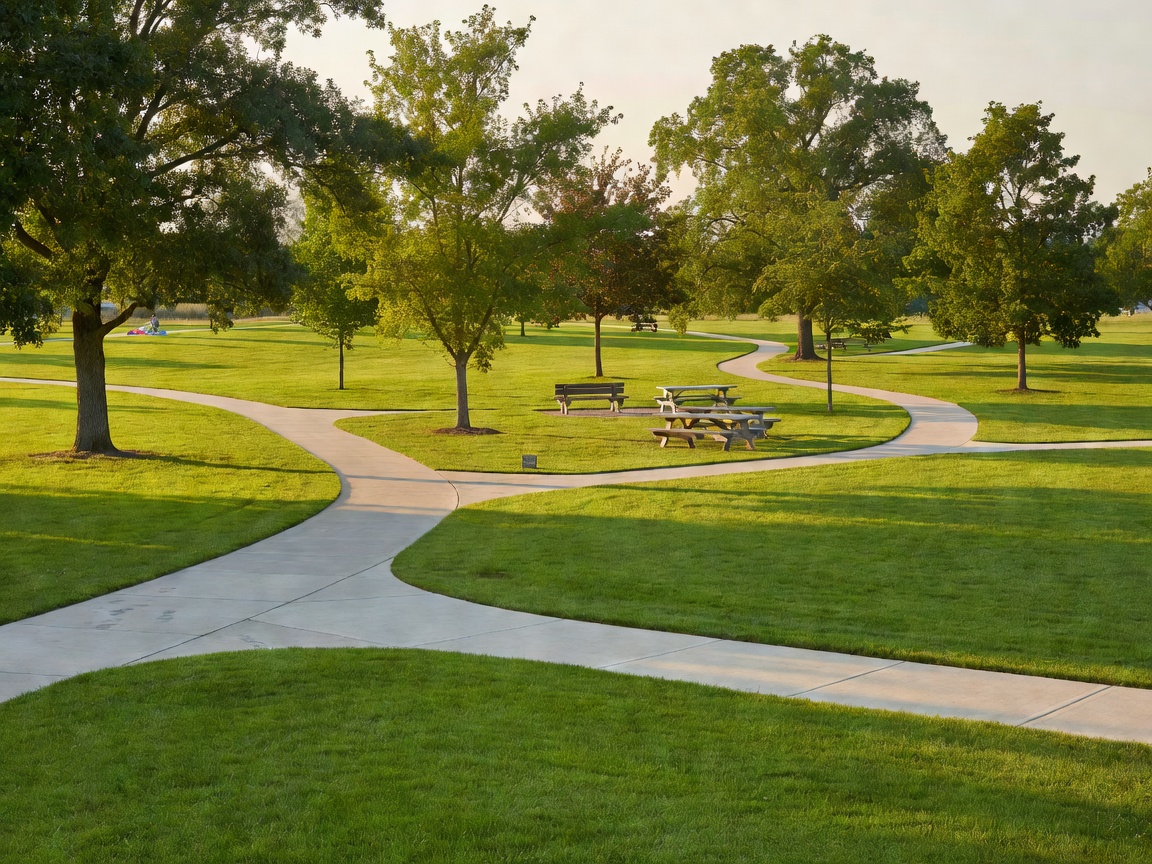
The best plan is specific enough to help and flexible enough to change. A short local visit may need little preparation. A longer trip, mixed-age group or unfamiliar site benefits from a quick check of access, facilities and weather.
Choose a place for the group
Start with age ranges, mobility needs, confidence with climbing and the time available. Consider whether the group wants open-ended play, a nature setting or a structured activity. A destination that suits one child may not suit another. Look for variety, quieter options and somewhere to take a break.
Check distance and travel time, not just the map. Walking routes, transfers and parking can add effort. If using public transport, confirm the last part of the route, step-free options and how far the stop is from the entrance. For car travel, check parking arrangements with the venue. Do not assume spaces are available or included.
Access and facilities
Review the full route from arrival to the play area. Ask about surface type, gradients, steps, gates and accessible toilets if these matter to your group. A site may have accessible paths but uneven ground elsewhere. Clarify which areas and facilities are available when you plan to visit.
Toilets, drinking water, food, shade and seating are not universal. Check whether visitors can bring food and whether there is a place to eat. For a longer stay, identify a nearby alternative in case facilities are closed or unavailable. If a group member needs frequent rests, consider distance between the entrance, play area and seats.
Weather, clothing and seasons
Check the local forecast before leaving and consider how exposed the site is. Bring layers for wind or changing temperatures. A hat and sun protection can be useful in open settings. Waterproof clothing and spare socks may help after rain. Choose secure footwear suited to the expected ground; woodland paths and wet grass differ from paved routes.
Weather can affect the venue as well as visitor comfort. Wind, heat, heavy rain, frost or low light may change access or activity. Seasonal daylight can shorten a visit. Planting and ground conditions also change through the year. Confirm any weather-related restrictions with the responsible venue rather than relying on general assumptions.
Supervision and group routines
Agree who is responsible for each child and where the group will meet if separated. At a large site, choose a visible landmark. Review rules before entering a structured activity. Supervision needs may differ near water, elevated equipment or busy routes. Keep an eye on paths that connect to roads, car parks or other public areas.
Allow time for transitions. A visit can include arrival, toilets, food, rest and the journey home—not only time on the equipment. A shorter plan with a clear exit option may work better for young children or anyone who tires quickly.
Practical visit checklist
- Confirm location, route and travel time.
- Check age guidance, step-free access and surface details.
- Ask about toilets, water, food, shade and seating.
- Review current opening information and weather notices with the venue.
- Pack layers, secure footwear, water and any needed personal items.
- Set a meeting point and agree supervision responsibilities.
- Keep a backup plan for poor weather or unavailable facilities.
Compare before committing
A nearby simple space may be easier than a larger destination with more features. A landscape-led site may provide a longer walk and changing terrain. An adventure zone may have specific rules, session arrangements or entry conditions. Compare total travel effort, access needs, facilities and activity level—not only the photograph or headline description.
Current prices, hours, transport changes and site facilities can change. No details for unnamed venues are assumed here. Check official venue or local authority information close to your visit.
Good for
Families planning a first visit, groups with mixed ages, carers coordinating access needs, and anyone travelling beyond a familiar local play space.
What to know
Build a plan around the least flexible need in the group. Confirm changing details directly and keep an alternative for weather, travel or facility changes.